VIAJES FOTOS Y COMIDA DE BERNARDO SABISKY
Por: Bernardo Sabisky
La digitalización de los controles migratorios promete agilizar los viajes internacionales, pero también plantea nuevos desafíos para las agencias, las aerolíneas y los operadores turísticos. La coordinación de los sistemas, la protección de los datos y la planificación de los itinerarios serán factores decisivos.
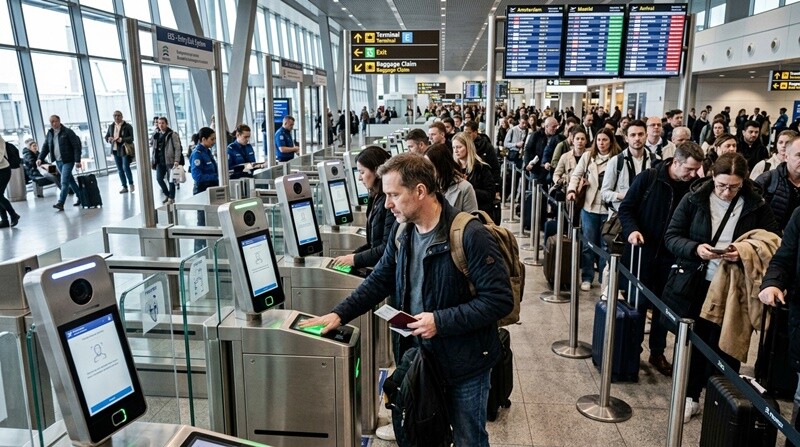
La tecnología está transformando la manera de cruzar las fronteras. El pasaporte, los controles presenciales y las verificaciones manuales conviven cada vez más con herramientas de identificación biométrica y credenciales digitales que buscan simplificar el recorrido de los pasajeros.
Sin embargo, hay una cuestión que merece atención: digitalizar un trámite no significa necesariamente eliminar las demoras. La experiencia depende también de la capacidad operativa de los aeropuertos, la disponibilidad de personal y la coordinación entre los organismos involucrados.
Europa muestra los desafíos de la digitalización migratoria
El Sistema de Entradas y Salidas (EES) de la Unión Europea, plenamente operativo desde el 10 de abril de 2026, registra los ingresos y egresos de viajeros de países no pertenecientes a la UE que realizan estadías cortas en las fronteras exteriores del espacio Schengen. El procedimiento incluye datos del documento de viaje, imágenes faciales y huellas dactilares.
Durante los primeros meses de implementación, las filas persistieron en algunos destinos turísticos. Según informó Euronews, un alto funcionario de Frontex advirtió en junio que el sistema podría necesitar hasta dos años para estabilizarse.
El episodio deja una enseñanza para el sector turístico: la tecnología puede mejorar los controles, pero sus beneficios dependen de que la infraestructura y los recursos disponibles acompañen el crecimiento de la demanda.
Qué cambia para las agencias de viajes
Para quienes comercializan viajes, una demora migratoria puede afectar conexiones aéreas, traslados, excursiones y horarios previamente acordados. Aunque la agencia no controla los procedimientos fronterizos, el pasajero suele recurrir a ella cuando surge un inconveniente.
Por eso, la planificación adquiere un valor adicional. Verificar los requisitos oficiales, explicar los pasos del control migratorio y calcular conexiones con márgenes prudentes son medidas que ayudan a gestionar la incertidumbre.
La información previa también puede evitar malentendidos. No existe un tiempo adicional universal que garantice una conexión segura: las condiciones varían según el aeropuerto, el horario y la capacidad de procesamiento.
Biometría y privacidad: dos cuestiones inseparables
La Asociación Internacional de Transporte Aéreo (IATA) impulsa el programa One ID, que propone utilizar credenciales digitales para comprobar determinados requisitos antes de llegar al aeropuerto y verificar la identidad durante el recorrido.
De acuerdo con la encuesta Global Passenger Survey 2025 de la organización, el 50% de los pasajeros consultados había utilizado biometría en algún punto de su experiencia aeroportuaria, frente al 46% registrado en 2024. Entre quienes la utilizaron, el 85% manifestó estar satisfecho.
La aceptación, sin embargo, no elimina las obligaciones de protección de datos. A diferencia de una contraseña, un rasgo biométrico no puede sustituirse fácilmente si queda comprometido. La seguridad de la información, la limitación de sus usos y las alternativas para quienes no deseen utilizar estos sistemas deben formar parte de su implementación.
América Latina avanza con modelos diferentes
La región presenta iniciativas con alcances y características propias.
En Argentina, la renovación de Migraciones Express en el aeropuerto de Ezeiza, a fines de 2025, incorporó 30 terminales de autogestión y cinco pasarelas de verificación de identidad para arribos internacionales. Según la información proporcionada, el trámite mediante las puertas electrónicas demora menos de 60 segundos por pasajero.
Colombia cuenta con Biomig y Biomig VIP, modalidades de control que utilizan tecnologías biométricas y están disponibles en distintos aeropuertos internacionales y en el puesto terrestre de Rumichaca. Brasil, por su parte, instituyó en agosto de 2026 una política sectorial de identificación biométrica para aeropuertos, puertos e hidrovías, con implementación gradual.
Las iniciativas no son equivalentes ni existe información suficiente para afirmar que estén integradas entre sí. Esa fragmentación puede representar un desafío para los viajeros que recorren varios países durante un mismo itinerario.
El futuro del turismo dependerá de la coordinación
La digitalización de las fronteras abre una oportunidad para mejorar la seguridad y reducir pasos innecesarios, pero sus resultados dependerán de algo más que la tecnología. La interoperabilidad entre sistemas, la capacidad de respuesta y el tratamiento responsable de los datos serán determinantes.
Para las agencias y los operadores turísticos, el camino es concreto: anticipar requisitos, comunicar con claridad y preparar alternativas ante posibles demoras. El objetivo no es prometer viajes sin esperas, sino ofrecer itinerarios mejor planificados y pasajeros mejor informados. En una industria cada vez más digital, la calidad del asesoramiento seguirá siendo una parte esencial de la experiencia de viajar.
@viajesfotosycomidas #viajesfotosycomidas
https://sites.google.com/view/bernardosabisky-media-kit
Tourism and Technology: The Future of Border Control
By Bernardo Sabisky
The digitalization of immigration procedures promises to streamline international travel, but it also presents new challenges for travel agencies, airlines, and tour operators. System coordination, data protection, and itinerary planning will be decisive factors.
Technology is transforming the way people cross borders. Passports, in-person border checks, and manual verifications are increasingly being complemented by biometric identification tools and digital credentials designed to simplify the passenger journey.
However, one issue deserves particular attention: digitizing a procedure does not necessarily eliminate delays. The overall experience also depends on airports’ operational capacity, staff availability, and coordination among the agencies involved.
Europe Highlights the Challenges of Digital Border Control
The European Union’s Entry/Exit System (EES), fully operational since April 10, 2026, records the entry and exit of non-EU travelers making short stays across the external borders of the Schengen Area. The procedure includes travel document details, facial images, and fingerprints.
During the first months of implementation, queues persisted at some tourist destinations. According to Euronews, a senior Frontex official warned in June that the system could take up to two years to stabilize.
The experience offers an important lesson for the tourism industry: technology can improve border checks, but its benefits depend on infrastructure and available resources keeping pace with growing demand.
What Changes for Travel Agencies
For travel sellers, immigration delays can affect flight connections, transfers, excursions, and previously scheduled activities. Although travel agencies do not control border procedures, passengers often turn to them when problems arise.
As a result, planning takes on added importance. Checking official entry requirements, explaining the steps involved in border control, and allowing reasonable time buffers for connections are all measures that help manage uncertainty.
Providing information in advance can also prevent misunderstandings. There is no universal additional time allowance that guarantees a safe connection: conditions vary depending on the airport, time of day, and processing capacity.
Biometrics and Privacy: Two Inseparable Issues
The International Air Transport Association (IATA) is promoting its One ID initiative, which proposes using digital credentials to verify certain requirements before passengers arrive at the airport and to confirm their identities throughout their journey.
According to the organization’s 2025 Global Passenger Survey, 50% of respondents had used biometrics at some point during their airport experience, up from 46% in 2024. Among those who had used biometric technology, 85% reported being satisfied.
However, acceptance does not eliminate data protection obligations. Unlike a password, a biometric identifier cannot easily be replaced if it is compromised. Information security, restrictions on how biometric data may be used, and alternatives for people who do not wish to use these systems must all be part of their implementation.
Latin America Is Advancing with Different Models
The region features initiatives with distinct scopes and characteristics.
In Argentina, the upgrade of Migraciones Express at Ezeiza International Airport in late 2025 introduced 30 self-service kiosks and five identity verification gates for international arrivals. According to the information provided, processing through the electronic gates takes less than 60 seconds per passenger.
Colombia offers Biomig and Biomig VIP, border control services that use biometric technology and are available at several international airports and at the Rumichaca land border crossing. Brazil, meanwhile, established a sector-wide biometric identification policy in August 2026 for airports, ports, and inland waterways, with implementation being phased in gradually.
These initiatives are not equivalent, and there is insufficient information to conclude that they are integrated with one another. This fragmentation may pose a challenge for travelers visiting several countries on the same itinerary.
The Future of Tourism Will Depend on Coordination
The digitalization of border controls creates an opportunity to enhance security and eliminate unnecessary steps, but its success will depend on more than technology alone. Interoperability between systems, operational responsiveness, and the responsible handling of data will be critical.
For travel agencies and tour operators, the way forward is clear: anticipate requirements, communicate clearly, and prepare alternatives in case of potential delays. The goal is not to promise journeys without waiting times, but to offer better-planned itineraries and better-informed passengers. In an increasingly digital industry, the quality of travel advice will remain an essential part of the travel experience.
旅游与科技:边境管控的未来
作者:Bernardo Sabisky
移民与边境管控的数字化有望提升国际旅行的效率,但同时也为旅行社、航空公司和旅游运营商带来了新的挑战。系统之间的协调、数据保护以及行程规划将成为决定成效的关键因素。
科技正在改变人们跨越国境的方式。护照、现场边境检查和人工核验等传统方式,正越来越多地与生物识别技术和数字凭证相结合,旨在简化旅客的通行流程。
然而,有一个问题值得特别关注:手续数字化并不意味着延误必然减少。旅客的整体体验还取决于机场的运营能力、工作人员的配备情况,以及相关机构之间的协调程度。
欧洲凸显移民与边境管控数字化的挑战
欧盟出入境系统(EES)自2026年4月10日起全面投入运行,用于记录在申根区外部边境进行短期停留的非欧盟国家旅客的入境和出境信息。该程序包括采集旅行证件信息、面部图像和指纹。
在系统实施的最初几个月,一些旅游目的地仍然出现排队现象。据欧洲新闻台(Euronews)报道,欧洲边境和海岸警卫局(Frontex)的一名高级官员于6月警告称,该系统可能需要长达两年时间才能趋于稳定。
这一情况为旅游业提供了重要启示:科技能够改善边境检查,但要真正发挥作用,基础设施和现有资源必须能够跟上不断增长的需求。
旅行社将面临哪些变化?
对于旅行产品销售商而言,移民检查造成的延误可能影响航班衔接、接送服务、旅游活动以及事先安排好的行程。尽管旅行社无法控制边境检查程序,但一旦出现问题,旅客往往会向旅行社寻求帮助。
因此,行程规划变得更加重要。核实官方入境要求、向旅客说明边境检查的具体流程,并为转机预留合理的时间余量,都是帮助管理不确定性的重要措施。
提前提供相关信息也有助于避免误解。不存在一个适用于所有情况、能够保证顺利衔接航班的统一额外时间标准,因为实际情况会因机场、时段和旅客处理能力而有所不同。
生物识别与隐私:密不可分的两个议题
国际航空运输协会(IATA)正在推动“One ID”计划。该计划提出利用数字凭证,在旅客抵达机场之前核验部分旅行要求,并在旅程各个环节确认旅客身份。
根据该组织发布的《2025年全球旅客调查》,50%的受访者曾在机场出行过程中使用过生物识别技术,高于2024年的46%。在使用过该技术的受访者中,85%表示满意。
然而,公众的接受程度并不能免除数据保护方面的责任。与密码不同,一旦生物特征信息遭到泄露,就很难像更换密码那样轻易更换。因此,在实施此类系统时,必须将信息安全、对数据用途的限制,以及为不愿使用这些系统的人士提供替代方案纳入整体规划。
拉丁美洲正在探索不同的发展模式
该地区正在推进多项具有不同适用范围和特点的举措。
在阿根廷,埃塞萨国际机场(Ezeiza International Airport)的 Migraciones Express 系统于2025年底完成升级,新增了30台自助服务终端和5条用于国际抵达旅客身份核验的通道。根据所提供的信息,旅客通过电子闸门完成检查的时间不到60秒。
哥伦比亚则推出了 Biomig 和 Biomig VIP 两种边境检查服务,采用生物识别技术,并在多个国际机场以及鲁米查卡(Rumichaca)陆路口岸提供服务。
与此同时,巴西于2026年8月制定了一项面向机场、港口和内河航道的行业性生物识别政策,并计划分阶段实施。
这些举措在性质和适用范围上并不相同,目前也没有足够的信息证明它们之间已经实现系统整合。对于在同一行程中前往多个国家的旅客而言,这种系统之间的分散状态可能构成一项挑战。
旅游业的未来取决于协调与协作
边境管控的数字化为提升安全性、减少不必要的手续创造了机遇,但其成效并不单纯取决于技术。系统之间的互操作性、应对突发情况的能力,以及对数据的负责任处理,都将发挥决定性作用。
对于旅行社和旅游运营商而言,未来的工作方向十分明确:提前了解相关要求、清晰传达信息,并为可能出现的延误准备替代方案。
目标不是承诺旅客能够享受完全无需等待的旅程,而是提供规划更完善的行程,让旅客获得更充分的信息。在一个日益数字化的旅游行业中,专业、优质的旅行咨询服务仍将是旅行体验中不可或缺的一部分。
पर्यटन और प्रौद्योगिकी: सीमा नियंत्रण का भविष्य
लेखक: Bernardo Sabisky
आव्रजन प्रक्रियाओं का डिजिटलीकरण अंतरराष्ट्रीय यात्रा को अधिक सुगम और तेज़ बनाने का वादा करता है, लेकिन इसके साथ ही ट्रैवल एजेंसियों, एयरलाइंस और टूर ऑपरेटरों के सामने नई चुनौतियाँ भी खड़ी होती हैं। प्रणालियों के बीच समन्वय, डेटा की सुरक्षा और यात्रा कार्यक्रमों की योजना निर्णायक कारक साबित होंगे।
प्रौद्योगिकी सीमाएँ पार करने के तरीके को बदल रही है। पासपोर्ट, आमने-सामने की सीमा जाँच और मैन्युअल सत्यापन जैसी पारंपरिक प्रक्रियाओं के साथ अब बायोमेट्रिक पहचान तकनीक और डिजिटल प्रमाण-पत्रों का उपयोग तेजी से बढ़ रहा है। इनका उद्देश्य यात्रियों की यात्रा प्रक्रिया को सरल बनाना है।
हालाँकि, एक महत्वपूर्ण मुद्दे पर ध्यान देना आवश्यक है: किसी प्रक्रिया को डिजिटल बनाने का अर्थ यह नहीं है कि देरी भी समाप्त हो जाएगी। यात्रियों का अनुभव हवाई अड्डों की परिचालन क्षमता, कर्मचारियों की उपलब्धता और संबंधित एजेंसियों के बीच समन्वय पर भी निर्भर करता है।
यूरोप में आव्रजन प्रक्रियाओं के डिजिटलीकरण की चुनौतियाँ
यूरोपीय संघ की प्रवेश-निकास प्रणाली (Entry/Exit System — EES) 10 अप्रैल 2026 से पूरी तरह चालू है। यह शेंगेन क्षेत्र की बाहरी सीमाओं पर अल्पकालिक प्रवास करने वाले गैर-यूरोपीय संघ के यात्रियों के प्रवेश और निकास का रिकॉर्ड रखती है। इस प्रक्रिया में यात्रा दस्तावेज़ों का विवरण, चेहरे की तस्वीरें और उँगलियों के निशान शामिल हैं।
कार्यान्वयन के शुरुआती महीनों के दौरान कुछ पर्यटन स्थलों पर लंबी कतारें बनी रहीं। यूरोन्यूज़ (Euronews) की रिपोर्ट के अनुसार, यूरोपीय सीमा एवं तटरक्षक एजेंसी फ्रोंटेक्स (Frontex) के एक वरिष्ठ अधिकारी ने जून में चेतावनी दी थी कि प्रणाली को स्थिर होने में दो साल तक लग सकते हैं।
यह अनुभव पर्यटन उद्योग के लिए एक महत्वपूर्ण सबक प्रस्तुत करता है: प्रौद्योगिकी सीमा जाँच को बेहतर बना सकती है, लेकिन इसके लाभ तभी प्राप्त होंगे जब बुनियादी ढाँचा और उपलब्ध संसाधन बढ़ती माँग के अनुरूप विकसित हों।
ट्रैवल एजेंसियों के लिए क्या बदलेगा?
यात्रा सेवाएँ बेचने वाली एजेंसियों के लिए आव्रजन जाँच में होने वाली देरी का असर कनेक्टिंग फ्लाइट्स, ट्रांसफर सेवाओं, भ्रमण कार्यक्रमों और पहले से निर्धारित गतिविधियों पर पड़ सकता है। हालाँकि ट्रैवल एजेंसियाँ सीमा जाँच की प्रक्रियाओं को नियंत्रित नहीं करतीं, लेकिन किसी समस्या के उत्पन्न होने पर यात्री अक्सर उन्हीं से सहायता की अपेक्षा करते हैं।
इसी कारण यात्रा की योजना बनाना पहले से अधिक महत्वपूर्ण हो जाता है। आधिकारिक प्रवेश आवश्यकताओं की जाँच करना, यात्रियों को सीमा जाँच के चरणों के बारे में स्पष्ट जानकारी देना और कनेक्टिंग फ्लाइट्स के बीच पर्याप्त समय रखना ऐसे उपाय हैं जो अनिश्चितता को बेहतर ढंग से संभालने में मदद करते हैं।
पहले से जानकारी उपलब्ध कराने से गलतफहमियों को भी रोका जा सकता है। ऐसा कोई एक अतिरिक्त समय अंतराल नहीं है जो हर परिस्थिति में कनेक्टिंग फ्लाइट पकड़ने की गारंटी दे सके। वास्तविक स्थिति हवाई अड्डे, दिन के समय और यात्रियों को संसाधित करने की क्षमता के अनुसार अलग-अलग होती है।
बायोमेट्रिक्स और निजता: दो अविभाज्य मुद्दे
अंतरराष्ट्रीय हवाई परिवहन संघ (International Air Transport Association — IATA) अपने One ID कार्यक्रम को बढ़ावा दे रहा है। इस पहल का उद्देश्य डिजिटल प्रमाण-पत्रों के माध्यम से यात्रियों के हवाई अड्डे पहुँचने से पहले कुछ आवश्यकताओं की जाँच करना और यात्रा के विभिन्न चरणों में उनकी पहचान सत्यापित करना है।
संगठन के Global Passenger Survey 2025 के अनुसार, सर्वेक्षण में शामिल 50% यात्रियों ने हवाई अड्डे पर अपने यात्रा अनुभव के किसी न किसी चरण में बायोमेट्रिक तकनीक का उपयोग किया था। 2024 में यह आँकड़ा 46% था। इस तकनीक का उपयोग करने वाले यात्रियों में से 85% ने संतुष्टि व्यक्त की।
हालाँकि, लोगों की स्वीकृति से डेटा सुरक्षा की जिम्मेदारियाँ समाप्त नहीं हो जातीं। पासवर्ड के विपरीत, बायोमेट्रिक पहचान संबंधी जानकारी के साथ छेड़छाड़ या उसके उजागर हो जाने पर उसे आसानी से बदला नहीं जा सकता। इसलिए ऐसी प्रणालियों को लागू करते समय सूचना सुरक्षा, डेटा के उपयोग पर स्पष्ट सीमाएँ और उन लोगों के लिए वैकल्पिक व्यवस्थाएँ सुनिश्चित करना आवश्यक है जो इन प्रणालियों का उपयोग नहीं करना चाहते।
लैटिन अमेरिका में अलग-अलग मॉडल के साथ प्रगति
इस क्षेत्र में विभिन्न दायरों और विशेषताओं वाली कई पहलें विकसित की जा रही हैं।
अर्जेंटीना में, एज़ेइज़ा अंतरराष्ट्रीय हवाई अड्डे (Ezeiza International Airport) पर Migraciones Express प्रणाली को 2025 के अंत में उन्नत किया गया। इस प्रक्रिया के तहत 30 स्व-सेवा कियोस्क और अंतरराष्ट्रीय आगमन वाले यात्रियों की पहचान सत्यापित करने के लिए पाँच इलेक्ट्रॉनिक गेट जोड़े गए। उपलब्ध कराई गई जानकारी के अनुसार, इलेक्ट्रॉनिक गेट के माध्यम से एक यात्री की जाँच में 60 सेकंड से भी कम समय लगता है।
कोलंबिया में Biomig और Biomig VIP नामक सीमा जाँच सेवाएँ उपलब्ध हैं। ये बायोमेट्रिक तकनीक का उपयोग करती हैं और विभिन्न अंतरराष्ट्रीय हवाई अड्डों के साथ-साथ रुमिचाका (Rumichaca) के स्थलीय सीमा चौकी पर भी संचालित होती हैं।
दूसरी ओर, ब्राज़ील ने अगस्त 2026 में हवाई अड्डों, बंदरगाहों और अंतर्देशीय जलमार्गों के लिए बायोमेट्रिक पहचान संबंधी एक क्षेत्रीय नीति स्थापित की, जिसे चरणबद्ध तरीके से लागू किया जाना है।
इन पहलों का दायरा और स्वरूप एक-दूसरे से अलग है। साथ ही, यह दावा करने के लिए पर्याप्त जानकारी उपलब्ध नहीं है कि ये प्रणालियाँ आपस में एकीकृत हैं। एक ही यात्रा कार्यक्रम के दौरान कई देशों की यात्रा करने वाले लोगों के लिए यह बिखराव चुनौती बन सकता है।
पर्यटन का भविष्य समन्वय पर निर्भर करेगा
सीमा नियंत्रण का डिजिटलीकरण सुरक्षा बढ़ाने और अनावश्यक प्रक्रियाओं को कम करने का अवसर प्रदान करता है। लेकिन इसकी सफलता केवल प्रौद्योगिकी पर निर्भर नहीं करेगी। विभिन्न प्रणालियों के बीच पारस्परिक अनुकूलता, समस्याओं से निपटने की क्षमता और डेटा का जिम्मेदारीपूर्वक प्रबंधन निर्णायक भूमिका निभाएँगे।
ट्रैवल एजेंसियों और टूर ऑपरेटरों के लिए आगे का रास्ता स्पष्ट है: आवश्यकताओं का पहले से अनुमान लगाना, स्पष्ट जानकारी देना और संभावित देरी की स्थिति में वैकल्पिक व्यवस्थाएँ तैयार रखना।
उद्देश्य ऐसी यात्रा का वादा करना नहीं है जिसमें बिल्कुल प्रतीक्षा न करनी पड़े, बल्कि बेहतर नियोजित यात्रा कार्यक्रम और अधिक जागरूक यात्रियों को सुनिश्चित करना है। तेजी से डिजिटल होती पर्यटन दुनिया में भी गुणवत्तापूर्ण यात्रा परामर्श, यात्रा अनुभव का एक अनिवार्य हिस्सा बना रहेगा।
@viajesfotosycomidas #viajesfotosycomidas
https://sites.google.com/view/bernardosabisky-media-kit